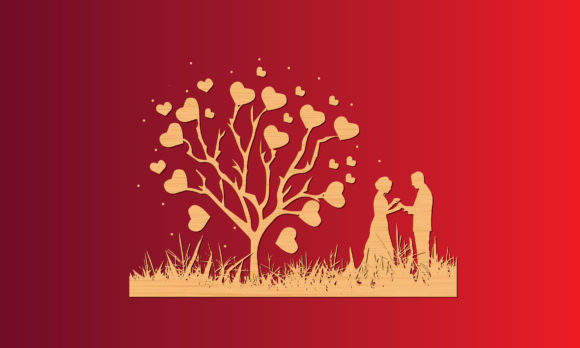
Valentine Papercut 3d Design Review
As a designer who spends more time than I care to admit staring at stitch lines and worrying about thread tension, I approach every new embroidery file with a healthy dose of skepticism. The market is flooded with generic clip art that looks fine on a screen but falls apart when the needle hits the fabric. That is why I took a close look at the Valentine Papercut 3d Design before committing it to my hoop. My goal was simple: determine if this piece has the structural integrity and aesthetic appeal required for a professional-grade handmade product or if it belongs in the "test scrap" pile.
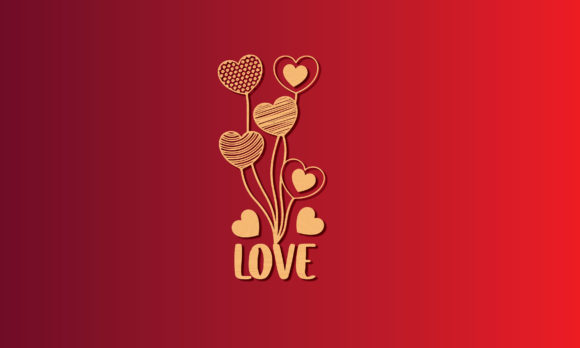
The first impression of the Valentine Papercut 3d Design is one of refined elegance rather than loud celebration. Unlike traditional Valentine’s Day graphics that rely on heavy hearts and cursive scripts, this design leans into the delicate, intricate nature of papercutting. It feels modern, airy, and sophisticated. For an embroidery project, this translates to a design that relies heavily on negative space and precise line work. It creates a mood that is romantic but not cheesy, making it versatile enough for everything from a boutique gift to a high-end custom apparel item.
Real-World Application: From Screen to Stitch
To truly judge a machine embroidery design, you have to imagine it in context. I visualized the Valentine Papercut 3d Design being applied to a few specific scenarios to see where it would shine and where it might struggle. The most immediate application that came to mind was a set of custom embroidered tote bags for a local artisan market. Because the design features clean, geometric-like curves typical of papercut styles, it would render beautifully on canvas or cotton duck cloth. The contrast between the solid background of the bag and the intricate cut-out effect of the embroidery would create a striking visual pop that draws customers in.
I also considered using this as a centerpiece for a sweatshirt embroidery project aimed at young adults. Here, the "3D" aspect of the title likely refers to the layered visual depth of the papercut style rather than actual raised stitching. On a heavyweight fleece or cotton blend, this design would offer a subtle texture that invites closer inspection. It works well for personalized gifts because it feels intentional and curated. However, I would avoid placing this on thin, stretchy knits without proper support, as the delicate lines could distort under the stress of the fabric moving against the stiff embroidery threads.
Another strong use case is nursery decor or baby items. A soft, pastel-colored version of the Valentine Papercut 3d Design stitched onto a muslin blanket or a hooded towel could be a standout item for an Etsy seller. The intricate details suggest a higher price point, which aligns with the expectations of buyers looking for premium baby embroidery goods. It signals quality and care, two things parents are willing to pay extra for.
Technical Considerations and Fabric Compatibility
While the visual appeal is high, the technical execution requires careful planning. The intricate nature of papercut designs means that stitch density can become a critical factor. If the stitch density is too high in the narrowest parts of the cut-outs, the fabric may pucker, ruining the crispness of the design. Conversely, if the density is too low, the underlying fabric might show through, breaking the illusion of the cut paper.
When working with this design, the choice of stabilizer is non-negotiable. For woven fabrics like linen or cotton, a cut-away stabilizer is recommended to provide long-term stability, especially for items that will undergo frequent washing. For knit fabrics, a tear-away might suffice for temporary projects, but a wash-away or stable cut-away is safer for permanent garments. I always advise testing the design on scrap fabric first to check how the thread colors interact with the base material. The Valentine Papercut 3d Design likely benefits from high-contrast thread choices to ensure the delicate lines remain visible.
There are also specific areas where caution is needed. Small hoop sizes should be avoided unless the design is scaled down significantly. In small hoops, the tiny details of a papercut style can merge together, losing their definition. Similarly, textured fabrics like terry cloth or heavy denim can obscure the finer lines of the design. In these cases, the embroidery might get lost in the weave of the fabric. Dark fabrics require careful thread selection; a dark thread on dark fabric will hide the intricate cuts, so light or metallic threads might be necessary to maintain visibility, though this changes the overall aesthetic.
Impact on Brand and Customer Perception
For craft business owners and small shop product creators, the difference between a good design and a great design often comes down to perceived value. The Valentine Papercut 3d Design elevates the finished product. When a customer sees the precision of the stitches and the complexity of the pattern, they perceive the item as more valuable. This is crucial for commercial embroidery projects where pricing is based on quality and uniqueness.
Furthermore, the design’s versatility supports brand consistency. Whether you are creating holiday embroidery collections, wedding favors, or seasonal home decor, this design fits seamlessly into a broader catalog of elegant, detailed work. It helps establish a reputation for sophistication. Buyers are more likely to trust a maker who uses designs that are technically sound and visually cohesive. A poorly executed complex design can make a brand look amateurish, whereas a well-stitched Valentine Papercut 3d Design reinforces professionalism.
Practical Designer Notes for Success
Before finalizing any order or listing, here are some practical steps I recommend:
- Test on Scrap: Always run a test stitch on the exact fabric and stabilizer combination you plan to use. Check for puckering, thread breaks, or detail loss.
- Check Color Contrast: View your design in black and white mockups to ensure the shapes remain distinct regardless of color. This helps verify that the negative space is balanced.
- Inspect Details: Zoom in on the digital file. Are there any overlapping paths that might cause the machine to take unnecessary jumps? Clean vector files, such as the EPS format mentioned in the product description, are essential for smooth digitization.
- Verify Licensing: If you intend to sell finished items, confirm the commercial usage rights. Some digital embroidery file licenses restrict the number of units you can produce.
- Hoop Size Confirmation: Ensure the design fits comfortably within your standard hoop sizes to avoid awkward trimming or re-hooping.
In conclusion, the Valentine Papercut 3d Design is a strong candidate for designers looking to add a touch of elegance to their Valentine’s Day or year-round offerings. Its intricate nature demands respect in terms of setup and execution, but the payoff in terms of visual impact and product value is significant. By paying attention to fabric choice, stabilizer type, and thread contrast, you can transform this graphic asset into a stunning finished product that stands out in a crowded marketplace.