Running Svg Cut File Silhouette
When I pull a new design file into my embroidery software, I am rarely looking for just another pretty picture. I am looking for a solution. As a designer who spends hours troubleshooting stitch paths and debating thread choices, my first instinct is always practical: Will this hold up? Will it sell? Does it look good when stitched? Today, I am putting the Running Svg Cut File Silhouette under that same microscope. This isn’t about the marketing copy; it is about how this asset behaves when it meets needle, thread, and fabric in a real-world scenario.
First Impressions: The Visual Personality of the Design
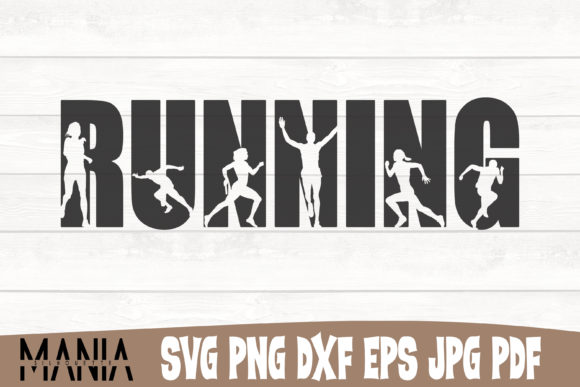
The moment you load the SVG into your digitizing software or preview it in a mockup tool, the intent of the design becomes clear. It carries a sense of motion and energy. In the world of graphic templates, movement can be tricky to convey without adding unnecessary clutter, but this design strikes a balance between dynamic shape and clean lines. It feels modern, active, and versatile.
For an embroidery project to succeed, the visual personality must translate well into thread. A design that looks sharp on a screen can sometimes lose its definition if the stitch density is too high or the negative space is mismanaged. From what I can see, the silhouette relies on strong outlines and distinct internal shapes. This suggests it will render beautifully with a combination of satin stitches for the edges and perhaps fill stitches for any solid areas. It has the kind of bold presence that catches the eye on a rack of handmade goods, which is exactly what an Etsy seller or craft business owner needs to stand out.
Real-World Application: Where Does This Fit?
Let’s imagine a specific use case. You are preparing a batch of custom apparel for a local 5k run or a boutique fitness brand. You need something that screams "active lifestyle" without being overly literal or cheesy. The Running Svg Cut File Silhouette fits this niche perfectly. Imagine stitching this onto the chest of a performance tee or centered on the back of a lightweight hoodie. The contrast of the thread against the technical fabric would create a professional, branded look.
But it doesn’t stop at activewear. Because the shape is somewhat abstract yet recognizable, it works surprisingly well as an embroidered patch. Picture this: you are creating personalized gifts for a wedding party where the couple loves hiking or running. A small, crisp version of this design on a denim jacket or a canvas tote bag adds a personal touch that feels thoughtful rather than generic. It elevates a simple tote bag design from a basic promotional item to a piece of wearable art.
I also see potential in home decor. For the holiday embroidery season, this could be adapted into a festive theme—perhaps using metallic threads or seasonal colors for a pillow cover or a kitchen towel. It brings a sense of movement to static objects, making them feel alive and engaging for the end user.
Material Considerations and Fabric Texture
One of the biggest mistakes designers make is ignoring the substrate. This design, with its clean lines, demands a certain level of stability. If you are working with a fabric texture that is heavily napped, like a thick fleece or a loose-weave linen, the fine details might get lost. The thread could sink into the fibers, blurring the sharp angles of the silhouette.
For best results, stick to smooth cotton blends, polyester athletic fabrics, or tightly woven linens. If you are attempting this on a curved surface, such as a sweatshirt embroidery on a cap brim, you will need a sturdy stabilizer to prevent distortion. The tension must be perfect; otherwise, the running elements of the design might pucker, ruining the sleek aesthetic. Always test on scrap fabric first to ensure the thread glides smoothly over the chosen material.
Technical Execution: Stitch Density and Clarity
In the realm of digital embroidery files, clarity is king. This design appears to rely on negative space to define its form. When translating this into a machine-readable format, paying attention to stitch density is critical. If the fill stitches are too dense, the fabric will become stiff and uncomfortable, especially on garments like baby clothes or delicate tees. Conversely, if they are too sparse, the backing material may show through, giving a cheap appearance.
I recommend reviewing the running stitch paths carefully. Are they long enough to prevent breakage but short enough to maintain precision? For the satin stitches outlining the main shape, ensure there is adequate overlap to avoid gaps. If you are using this as an applique design, the placement of the base fabric and the subsequent top stitching will determine the final polish. A well-executed applique here would add a layer of dimension that flat stitching simply cannot achieve.
Color Strategy for Maximum Impact
The choice of thread colors will make or break this design. Because the silhouette is monochromatic in its vector form, you have the freedom to experiment. However, contrast is non-negotiable. On dark fabrics, light or bright threads will pop, but you may need a cut-away stabilizer to support the weight of the thread. On light fabrics, darker threads provide a classic, understated elegance.
Consider the mood you want to evoke. For a personalized gift, matching the thread color to the recipient’s favorite sports team or hobby gear adds a layer of emotional connection. For a small shop product intended for broad appeal, neutral tones like charcoal, navy, or forest green often perform better because they integrate seamlessly into existing wardrobes.
Commercial Viability and Brand Consistency
If you are a creative entrepreneur looking to scale your handmade product line, consistency is key. This design offers a versatile template that can be repeated across various items—caps, aprons, bags—with a unified brand identity. It is not so niche that it limits your audience, nor so generic that it lacks character.
When creating printable mockups for your online store, leverage the dynamic nature of the design. Show it in action: someone wearing the hat, holding the tote, or displaying the pillow. Buyers engage more with images that tell a story. The Running Svg Cut File Silhouette provides a strong visual anchor for these scenes, helping customers visualize themselves owning the product.
Practical Designer Notes Before You Stitch
- Test First: Never assume a design will work perfectly on your specific machine. Run a test on scrap fabric to check for tension issues and alignment.
- Check Licensing: Before selling finished items, confirm the commercial usage rights. Some designs allow full commercial use, while others are limited to personal gifts.
- Inspect Details: Zoom in on the digital file. Are there tiny, intricate corners that might be difficult to stitch cleanly? Simplify if necessary.
- Stabilizer Selection: Use the right stabilizer for the job. Cut-away for stretchy fabrics, tear-away for stable wovens.
- Mockup Review: View your design in black and white to ensure the composition holds up without the distraction of color.
Ultimately, the Running Svg Cut File Silhouette is a strong contender for anyone looking to add a touch of motion and modern style to their embroidery repertoire. It is clean, adaptable, and commercially viable. With careful attention to fabric choice and stitch execution, it can transform from a simple vector into a cherished finished product that customers love to wear and display.