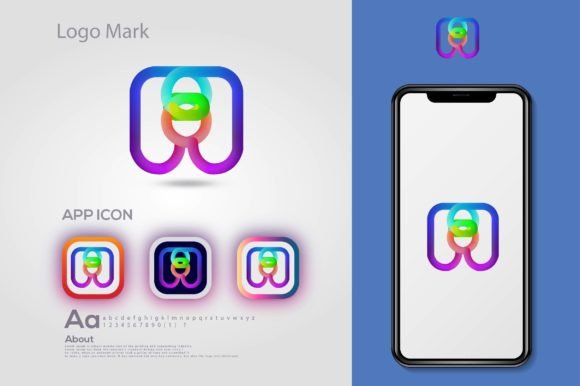
M 3D Logo Design Embroidery Review
As a designer who spends more time than I care to admit staring at stitch lines and debating thread color palettes, I approach every new machine embroidery design with a healthy dose of skepticism. The market is flooded with digital assets that look stunning in a preview window but fall apart the moment they hit the hoop. That is exactly why I decided to put M 3D Logo Design through its paces. This isn’t just about whether it stitches; it’s about whether it holds up as a viable asset for real-world projects, from high-stakes client work to handmade gifts for family.
The product description highlights this as a "Business corporate letter m 3D logo design vector" with a "Pixel logotype" aesthetic intended for technology themes. On paper, that sounds like a clean, modern asset. But in the world of embroidery, "pixelated" can sometimes mean "difficult to digitize cleanly." My goal here is to bridge that gap between the digital vector file and the physical stitched reality, helping you decide if this graphic deserves a spot in your design library.
First Impressions: Visual Personality and Mood
When I first opened the source files, the immediate takeaway was the boldness of the character. The letter 'M' carries a strong, structural weight that translates well into branding. It feels tech-forward, crisp, and intentional. For an Etsy seller or a small business owner, this kind of visual personality is gold. It doesn’t scream "cute" or "vintage"; it whispers "professional" and "modern."
The 3D effect described in the title suggests depth. In embroidery, depth is achieved not through shading gradients (which machines struggle with) but through strategic use of fill stitches, shadow effects, and layered elements. If executed correctly, this design has the potential to look incredibly premium on finished goods. It creates a mood of reliability and innovation, making it an excellent fit for custom apparel targeting entrepreneurs, tech startups, or creative agencies.
Real-World Application: Where Does It Fit?
I don’t believe in designs that only exist in theory. So, I imagined M 3D Logo Design on several specific products to see how it would perform. Here is where I think this embroidery project shines:
- Corporate Swag and Caps: A structured cap or a high-quality polo shirt is the natural habitat for this design. The pixelated, tech-inspired aesthetic pairs perfectly with the clean lines of corporate merchandise. It looks authoritative when placed over the heart or centered on a chest pocket.
- Tote Bag Design: Canvas totes are a staple for craft business owners. Using this logo on a sturdy canvas bag gives it a utilitarian yet chic vibe. It transforms a simple accessory into a statement piece for professionals on the go.
- Apparel Decor for Makers: For the creative entrepreneur who wants to brand their own hoodies or sweatshirts, this design offers a sophisticated alternative to typical floral or handwritten fonts. It signals that the wearer takes their craft seriously.
- Embroidered Patch: Converting this vector into a detachable patch allows for versatility. You could attach it to denim jackets, backpacks, or even baby onesies (if scaled down appropriately), creating a unique personalized gift option.
However, it is less suited for delicate items like silk scarves or intricate lace nursery decor. The bold, geometric nature of the 'M' might overwhelm fabrics that require softness and flow.
The Stitch Reality: Clarity and Complexity
This is where my inner designer gets critical. The term "Pixel logotype" implies sharp angles and blocky shapes. While visually striking digitally, these shapes can be tricky in embroidery. Sharp corners often require precise trimming or careful satin stitch placement to avoid puckering or jagged edges.
If the digitization relies heavily on fill stitch areas to create the 3D effect, we need to talk about stitch density. High-density fills are great for durability but can make fabric stiff. If this design is intended for a sweatshirt embroidery project, a moderate density is key to maintaining comfort. Conversely, if it’s being used for a lightweight tote bag design, excessive density might cause the fabric to warp inside the hoop.
I also had to consider the thread colors. A colorful digital icon template suggests vibrancy. In thread form, achieving true "digital" brightness requires high-quality polyester threads. Cheap rayon might dull the impact, losing the "technology" feel entirely. The contrast between the primary color and any background shading must be distinct enough to maintain the illusion of depth after stitching.
Cautions and Considerations
No design is perfect for every situation. There are specific scenarios where M 3D Logo Design might present challenges:
- Small Hoop Sizes: If you attempt to stitch this in a very small hoop (under 4x4 inches), the details of the pixelation may become muddy. Tiny dots can merge together, turning a crisp logo into a blob. Always check the minimum recommended size before committing.
- Textured Fabrics: As noted in my notes on fabric texture, bouclé, heavy tweed, or nubby knits will hide the fine details of a pixelated design. This logo needs a relatively smooth surface to let its geometry speak.
- Stretchy Fabric: Unless proper stabilizer is used, stretching knit fabrics during stitching can distort the straight lines of the 'M'. For baby embroidery on stretchy cotton blends, extra caution and perhaps a cut-away stabilizer are mandatory.
- Dense Stitch Areas: If the 3D effect is achieved through dense layering, ensure your machine can handle the needle penetration without breaking threads. Also, be mindful of heat buildup in the fabric.
Practical Designer Notes for Success
Before you rush to load this digital embroidery file into your machine, here is my checklist for ensuring a professional result:
- Test on Scrap Fabric: Never skip this step. Use the exact fabric and stabilizer combination you plan for the final product. This reveals how the thread colors interact with the material under light.
- Check Stitch Density: Zoom in on the digitized file if possible. Look for areas where stitches might overlap excessively or leave gaps. Adjustments in the software might be needed to optimize the running stitch or satin stitch paths.
- Black and White Mockup: Convert the design to grayscale to test contrast. If the 3D layers disappear in black and white, they likely won’t pop in color either. Ensure there is sufficient tonal difference between the main body and the shadows/highlights.
- Hoop Size Confirmation: Verify that the design fits comfortably within your standard hoops with adequate margin for hooping stability.
- Licensing Check: Since this is a vector asset included in a ZIP file, confirm the license terms. Are you allowed to sell finished embroidered items? Can you use it for commercial embroidery projects? Clear licensing protects your handmade product business from legal headaches.
Final Verdict
M 3D Logo Design is a strong contender for designers looking to add a touch of modern, tech-savvy professionalism to their portfolio. It is not a whimsical or decorative piece; it is a functional, bold graphic that demands respect in its presentation. When stitched on the right fabric, with the right thread, and in the appropriate scale, it elevates a simple finished product into a branded experience.
For the Etsy seller offering printable mockups or custom services, this design adds variety. For the hobbyist making a holiday gift for a tech-loving friend, it shows thoughtfulness and style. Just remember: the success of this embroidery project lies not just in the design itself, but in the execution. Treat it with care, respect the mechanics of the machine, and the results will speak for themselves.
In the category of Logos and Graphics for textile application, this stands out as a versatile, high-impact choice. It bridges the gap between digital marketing assets and tangible, tactile craftsmanship—a rare and valuable combination in today’s maker economy.