Laser Cutting Earrings Backing: A Seller’s Review
As a digital product creator who has spent years optimizing listings for Etsy and other creative marketplaces, I know that the difference between a stagnant shop and a thriving one often comes down to the smallest details. Today, I am reviewing a specific graphic design asset that might seem niche at first glance but holds significant potential for commercial product creation: Earrings Backing. This review is framed from the perspective of a seller preparing a new collection, evaluating whether this digital product is worth adding to our inventory of SVG designs and printable assets.
First Impressions and Niche Appeal
When you first download a ZIP file containing these files, the immediate task is extraction. The mood of this asset is surprisingly versatile. While it technically represents the functional hardware behind jewelry, the visual personality leans toward elegance and precision. It appeals to a buyer audience that values craftsmanship, minimalism, and the "behind-the-scenes" aesthetic of handmade businesses. For sellers targeting the jewelry-making community, this is not just a clipart; it is a thematic anchor that signals professionalism and attention to detail.
The design feels modern and clean, avoiding clutter. This makes it ideal for small business branding where visual hierarchy matters. It does not scream for attention like a bold, festive graphic would; instead, it offers a subtle, premium touch that enhances the perceived value of any bundle it is included in. Whether you are creating a Cricut project guide or a print-on-demand jewelry brand identity, this asset provides a grounded, realistic element that resonates with crafters.
Real-World Product Applications
The true test of any graphic design asset is its versatility across different product lines. Here is how I envision integrating Earrings Backing into a real online shop scenario:
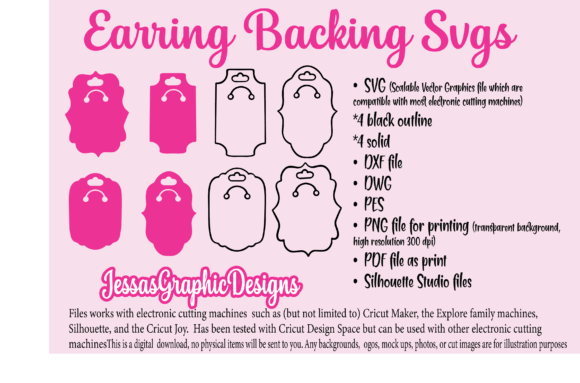
- SVG Products & Laser Cutting Files: Since the source material mentions compatibility with electronic cutting machines, these files are perfect for creating physical earring backings themselves. Sellers can offer these as commercial design templates for other makers who use laser cutters to produce their own jewelry findings.
- Digital Downloads & Guides: Create a "How to Make Jewelry" PDF guide. Use the backing illustrations as icons to explain steps like "attach the clasp" or "secure the post." This adds clarity and visual interest to your digital download offerings.
- Sticker Design & Planner Bundles: For planners focused on fashion, accessories, or small business owners tracking inventory, these backings make excellent sticker design elements. They fit well in weekly layouts or as decorative accents in digital journals.
- Mug Design & T-Shirt Graphics: Imagine a humorous t-shirt design for jewelry makers that says, "I sell earrings because people are weird," accompanied by a detailed illustration of various earring backs. This type of t-shirt design performs well on print-on-demand platforms because it targets a specific, passionate hobbyist niche.
- Canva Template & Social Media Graphics: Jewelry sellers need consistent social media content. Include this asset in a Canva template pack for Instagram posts, allowing users to quickly create educational reels about jewelry care or new arrivals.
- Sublimation Design & Tumbler Wraps: Combine these backing shapes with floral or geometric patterns to create unique sublimation designs for tumblers. These are popular items for gift-giving seasons and work well as part of a larger design bundle.
Enhancing Product Presentation and Trust
In the crowded world of creative marketplace listings, presentation is everything. Using high-quality, relevant assets like Earrings Backing helps build customer trust. When a buyer sees a listing image that includes accurate, professional illustrations of the components they will receive or learn about, it reduces ambiguity and increases conversion rates.
Consider using this asset in product mockup previews. If you are selling a jewelry kit, showing a clear, isolated vector of the earring backings alongside the finished piece reinforces the quality of the materials. It supports visual storytelling by highlighting the technical aspects of the craft, which appeals to serious hobbyists rather than casual browsers. Furthermore, pairing this asset with elegant typography—such as a serif font for headings and a clean sans-serif font for body text—can elevate the entire look of your brand identity.
Where This Asset Shines
This design works best in contexts where clarity and precision are valued. Large product previews allow buyers to appreciate the clean lines of the SVG. Themed bundles, such as a "Jewelry Making Starter Pack," benefit from having cohesive iconography. It also serves as an effective decorative layout element in printable wall art for craft rooms, providing inspiration without overwhelming the space. For packaging design, including a simple line-art version of the backing on tags or inserts adds a professional, bespoke feel to your handmade business output.
Areas Requiring Caution
However, no asset is universally perfect. There are scenarios where Earrings Backing should be used carefully:
- Tiny Sticker Details: If you plan to cut these out as tiny vinyl stickers, ensure the SVG paths are simplified. Intricate details may get lost or cause weeding issues on a Cricut or Silhouette machine.
- Crowded Thumbnails: On mobile devices, complex vector graphics can appear muddy if scaled down too much. Test the asset at thumbnail size to ensure it remains recognizable.
- Low-Resolution Print Products: Always verify PNG transparency and resolution before uploading to print-on-demand services. A blurry backing illustration will damage the perceived quality of your merchandise.
- Dark Backgrounds: If the asset is primarily white or light-colored, it may disappear against dark backgrounds unless you add a contrasting stroke or shadow effect.
Practical Seller Notes for Implementation
Before publishing your Etsy product or updating your Shopify store, follow this checklist to ensure professional results:
- Test on Real Mockups: Place the design on a digital mockup of a jewelry card or a tote bag. Does it look natural? Does it align with your brand colors?
- Check Contrast and Colors: Preview the asset on both white and dark backgrounds. Ensure there is sufficient contrast for readability and visibility.
- Inspect SVG Cut Quality: Open the files in your cutting software. Check for overlapping paths or unnecessary nodes that could cause cutting errors. Clean up the design if necessary to ensure smooth operation for your customers.
- Verify File Resolution: Confirm that all PNG exports are at least 300 DPI for print products. Low-resolution images lead to returns and bad reviews.
- Organize Files Clearly: If you are reselling this as part of a bundle, organize the ZIP file structure logically. Label files clearly (e.g., "earring_backing_white.svg") to enhance user experience.
- Font Pairing: Experiment with different font styles. A handwritten font might suit a cute, playful jewelry brand, while a display font could work better for a luxury boutique vibe.
- Confirm Commercial License: Most importantly, review the terms of use. Ensure you have the right to sell finished products created with this commercial license. Some licenses restrict resale or require attribution.
In conclusion, Earrings Backing is more than just a simple shape; it is a strategic tool for creators in the jewelry and craft niche. By understanding its strengths and limitations, you can integrate it into a diverse range of products—from sublimation designs to planner stickers—thereby expanding your reach and enhancing the professionalism of your online shop. It is a small asset with big potential for boosting your small business branding and driving sales through thoughtful, high-quality design applications.