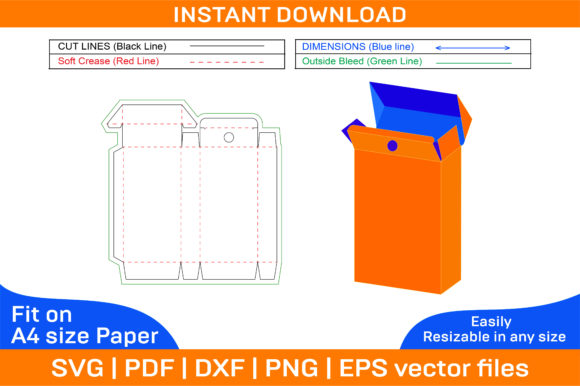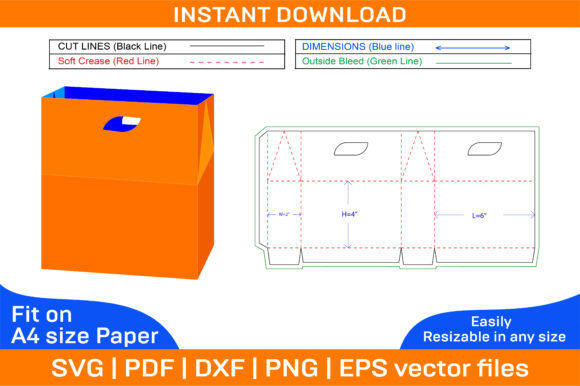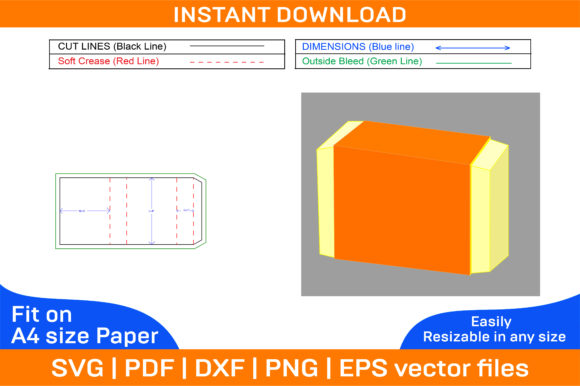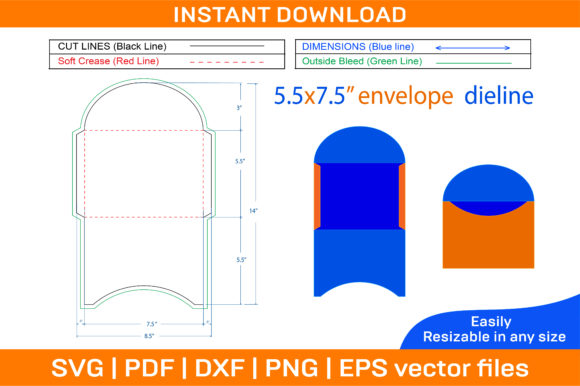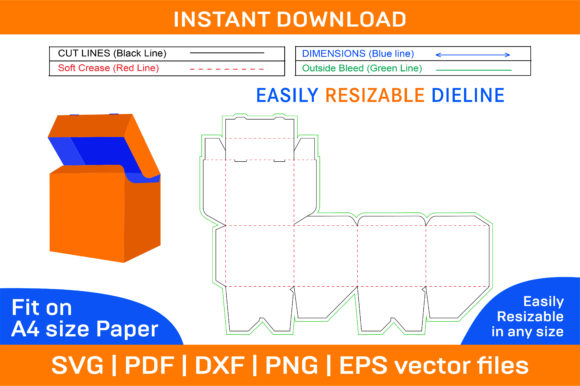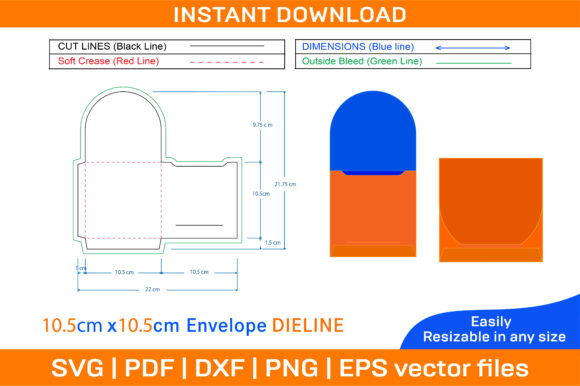
Envelope Invitation Card Dieline
When I first opened the Envelope Invitation Card Dieline, my immediate reaction was less about the technical file structure and more about the visual mood it projected. As a designer who reviews hundreds of embroidery files monthly, I look for that specific spark—a design that feels intentional rather than generated. This template carries a distinct editorial quality. It doesn’t scream for attention; instead, it whispers sophistication. The shape is clean, the lines are deliberate, and there is an inherent elegance to the envelope motif that translates surprisingly well into textile art.
The ZIP archive contains SVG, PDF, EPS, DXF, AI, PNG files, which is a robust package for any creative entrepreneur. However, the true test of any machine embroidery design isn’t just how it looks on a screen, but how it behaves under the needle. My goal here is to walk you through how this embroidery file performs in real-world scenarios, specifically when you are trying to build a brand or create a high-value handmade product.
The Mood and Visual Personality
The Envelope Invitation Card Dieline evokes a sense of nostalgia mixed with modern minimalism. In the world of graphics and print templates, envelopes often signify communication, secrets, or special occasions. When translated into embroidery, this theme naturally lends itself to products that feel personal and curated. It creates a mood of anticipation. Imagine receiving a package that features this design—it suggests care, detail, and a touch of vintage charm.
Visually, the layout relies heavily on negative space and structural lines. For an applique design or a piece relying on satin stitch to define edges, this works beautifully. The clean geometry allows the thread texture to shine without getting lost in chaotic patterns. It feels professional, making it an excellent choice for boutique branding where consistency and clarity are paramount.
Real-World Application: From Screen to Stitch
Let’s talk about practical use. I recently considered using this design for a line of custom wedding favors. Specifically, I envisioned a small embroidered patch attached to a linen napkin or a miniature pillow cover intended as a guest gift. The envelope motif is universally understood, yet it offers a blank canvas for personalization. You could add names, dates, or simple monograms within the envelope shape.
This design also shines in the realm of custom apparel. While it might seem unconventional for a standard t-shirt, placing this on a high-quality cotton sweatshirt or a heavy-duty tote bag changes the context entirely. It moves from "clothing" to "statement accessory." For an Etsy seller or a small shop product owner, this versatility is gold. It allows you to market the same digital asset across multiple categories—from kitchen towel designs to holiday embroidery projects.
Consider the tote bag design angle. A structured canvas tote featuring this dieline, perhaps stitched in a contrasting cream thread on navy fabric, looks incredibly chic. It appeals to the buyer who wants functionality with aesthetic appeal. Similarly, for baby embroidery, a soft onesie or a burp cloth with this design feels gentle and timeless, perfect for a baby shower gift. The key is understanding that this isn't just a picture; it's a design asset that can elevate a simple item into a personalized gift.
Where Caution is Required
However, no design is flawless, and honest review requires pointing out where this embroidery project might struggle. The Envelope Invitation Card Dieline relies on precise lines. If you attempt to stitch this in a very small hoop size, you risk losing definition. Tiny details can merge together, turning crisp lines into muddy blobs. Always check your hoop size requirements before committing to production.
Fabric choice is equally critical. This design does not perform well on highly textured fabrics like chunky knits or thick fleece, as the stitches will sink in and distort the shape. Thin, stretchy fabrics like jersey require a strong stabilizer to prevent puckering, especially if the design uses dense fill stitch areas. If the dieline includes fine lines meant to be rendered with running stitch, ensure your machine can handle the tension correctly on dark fabrics, as visibility can be an issue without proper contrast.
Furthermore, avoid placing this on curved surfaces like baseball caps unless you have significant digitizing experience. The flat nature of the envelope shape fights against the curvature of a cap, potentially causing distortion at the corners. For best results, stick to flat panels like aprons, pillow covers, or the front panel of a sweatshirt.
Impact on Product Value and Customer Trust
In the competitive landscape of craft business and online selling, presentation is everything. Using a clean, well-proportioned design like the Envelope Invitation Card Dieline signals professionalism to your customer. It shows that you care about the integrity of the image. When a buyer sees a sharp, clear embroidery job, they associate it with quality craftsmanship. This builds trust and encourages repeat purchases.
For commercial embroidery clients, this design offers a unique selling proposition. It’s not another generic heart or flower; it’s a graphic element that resonates with modern aesthetics. This can justify a higher price point for your finished product. Whether you are creating digital embroidery file bundles or selling physical goods, the perceived value of a sophisticated design is significantly higher than a cluttered one.
Practical Designer Notes for Execution
Before you rush into production, follow these essential steps to ensure success:
- Test on Scrap Fabric: Never run a new design directly onto your final material. Use scraps to check tension, thread behavior, and overall appearance.
- Check Thread Color Contrast: Envelope designs often rely on line work. Ensure your thread color stands out clearly against your chosen fabric background. Black on black won’t work unless you are using specialty metallics or high-density techniques.
- Review Stitch Density: High density can make fabric stiff and bulky. If this design has large fill areas, consider reducing the density slightly for a softer hand feel, especially for items like baby clothes or lightweight tees.
- Inspect Small Details: Zoom in on the vector file. Are there any tiny elements that might get lost in stitching? If so, you may need to simplify the design during digitizing.
- Black and White Mockups: View your design in grayscale. This helps you assess the balance of light and dark threads without being distracted by color.
- Confirm Licensing: Since this falls under Print Templates and Graphics, verify the license terms. Can you sell finished items? Can you use it in digital mockups? Clarifying this prevents legal issues down the road.
Ultimately, the Envelope Invitation Card Dieline is a versatile, stylish addition to any designer’s toolkit. It bridges the gap between traditional stationery aesthetics and modern textile art. By paying attention to fabric choice, stabilization, and detail inspection, you can transform this digital template into a stunning embroidery project that delights customers and elevates your brand. Whether you are a hobbyist making a personalized gift or an Etsy seller scaling your craft business, this design offers a reliable path to creating something beautiful and commercially viable.