English Letter 3D Design Review
When I sit down to review a new digital asset for my embroidery studio, I am rarely looking for just another pretty picture. As a designer who produces goods for clients and manages a small craft business, I need to know if a design will translate from the screen to the fabric without losing its soul. That is exactly why I decided to put English Letter 3D Design through its paces before recommending it for your own creative workflows. This isn't just about aesthetics; it is about how this file behaves when the needle starts moving.
First Impressions and Visual Personality
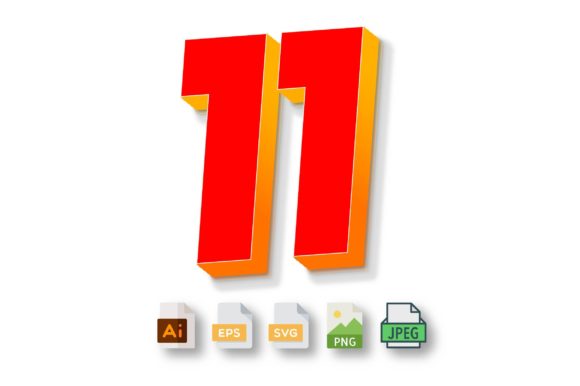
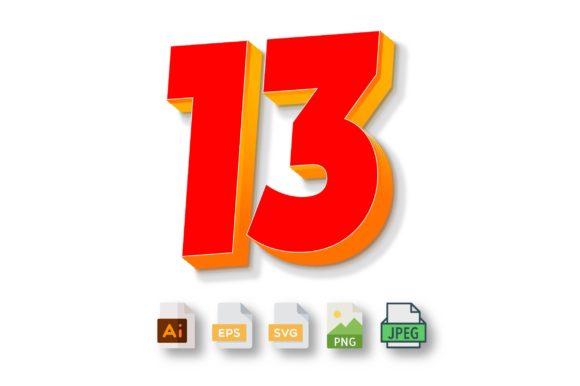
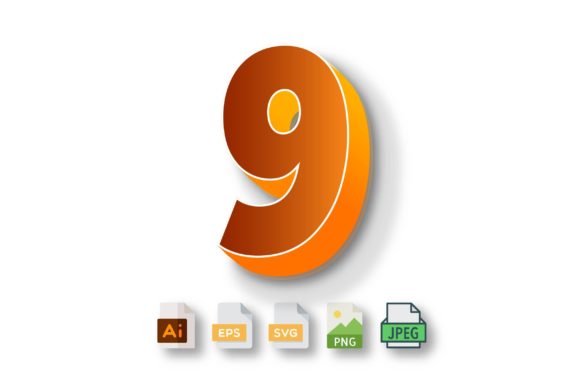
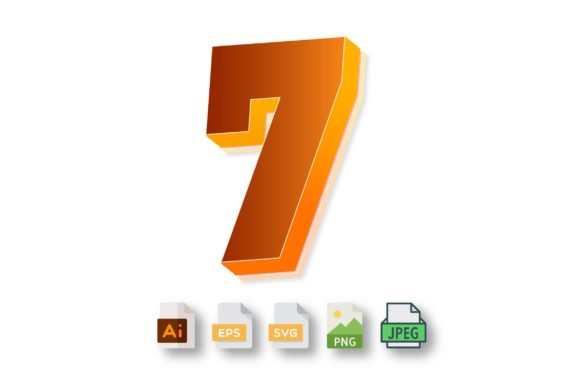
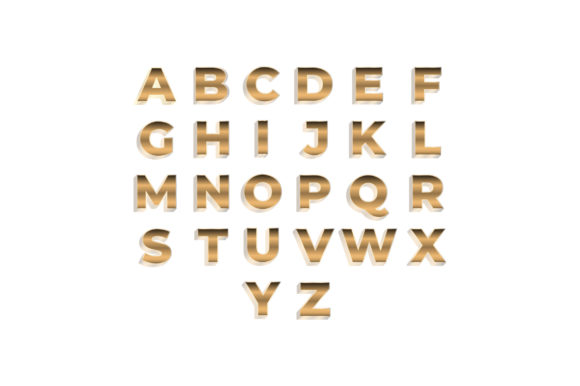
The moment I opened the files included in the package—specifically the AI, EPS, SVG, and high-quality transparent PNGs—the first thing that struck me was the clean, modern structure of the typography. The term "3D" in the title suggests depth, and visually, the design delivers on that promise by utilizing layering and contrast rather than relying solely on complex stitch patterns. It feels bold, confident, and slightly industrial, yet polished enough for delicate applications.
In terms of mood, this design leans towards contemporary minimalism with a touch of streetwear energy. It does not feel like a traditional floral or ornamental motif. Instead, it commands attention. For an Etsy seller or a boutique owner, this kind of visual personality is gold because it appeals to a wide demographic. It works equally well for a millennial buying a personalized gift for a friend as it does for a corporate client looking for branded merchandise. The layout is balanced, meaning you can place it centrally on a garment or use it as an offset detail on a tote bag without it feeling awkward.
Real-World Application: From Screen to Stitch
I tested the concept of this machine embroidery design across several potential projects to see where it truly shines. The most immediate application that came to mind was custom apparel, specifically sweatshirts and heavyweight t-shirts. The "3D" aesthetic pairs beautifully with textured fabrics. When stitched onto a cotton fleece hoodie, the design creates a tactile experience that customers love. It feels substantial. It is not just ink on fabric; it is an embroidered patch in all but name.
Another scenario where this design excels is in the realm of personalized gifts. I envisioned using this for baby items, such as a monogrammed blanket or a bib. The clean lines of the English letters ensure that even at smaller scales, the design remains legible. However, there is a nuance here. If you are creating a personalized gift for a nursery, the starkness of the design might need softening through thread color selection. Using pastel threads against a neutral background can transform the industrial vibe into something sweet and modern.
For the Etsy seller or small shop product creator, versatility is key. This design is not limited to clothing. I found myself imagining it on kitchen towels, aprons, and pillow covers. The graphic nature of the design means it acts almost like a printed logo, which adds a professional finish to handmade products. When you sell a handmade item, the perceived value increases significantly when the decoration looks intentional and crisp. This embroidery file helps achieve that level of professionalism.
Technical Considerations and Fabric Interactions
While the visual appeal is strong, any experienced designer knows that the devil is in the details. When evaluating Graphic Templates and Graphics for embroidery conversion, we must look at how the design interacts with different materials. The provided formats, including the vector-based AI and SVG files, give us excellent control over the pathing, but the final result depends heavily on your stitching choices.
If you plan to use satin stitches to outline the letters, pay close attention to the curves. Tight corners in lettering can sometimes cause puckering if the stitch density is too high. I recommend testing the design on scrap fabric first to check the tension. Furthermore, the "3D" effect often relies on fill stitches or layered elements. Ensure that your stabilizer choice matches the weight of your fabric. On thin or stretchy fabrics, such as jersey knits used for t-shirts, you will need a sturdy tear-away or cut-away stabilizer to prevent the design from distorting during the hoop process.
There are also specific situations where caution is advised. Avoid using this design on highly textured fabrics like chunky wool or bouclé, as the intricate details of the letters may get lost in the weave. Similarly, on dark fabrics, the contrast of your thread colors becomes critical. A light-colored thread on a black garment will make the design pop, but you must ensure the underlay stitches are sufficient to cover the base fabric completely. If you are working with curved surfaces like caps or hats, keep in mind that large block letters can sometimes distort around the curve unless you digitize them with appropriate curvature adjustments.
Thread Color and Contrast Strategy
The success of this project hinges on your thread colors. Because the design is typographic, readability is paramount. High contrast is your best friend. I suggest experimenting with metallic threads for the "3D" highlights if you want to elevate the design for a special occasion, such as a wedding gift or a holiday present. Metallics catch the light and enhance the dimensional aspect of the artwork, making the finished product feel luxurious.
For a more subtle approach, consider tonal stitching. Using a slightly darker shade of the same color family for the shadow layers can create a sophisticated, understated look. This technique works particularly well on custom apparel intended for everyday wear, where you want the design to be visible but not overwhelming.
Commercial Viability and Licensing
For those of us running a craft business, understanding the commercial rights is essential. While the product description confirms you receive high-quality JPEGs, PNGs, and vector files, it is crucial to verify the specific licensing terms before selling finished items or digital mockups. Typically, designs sold as digital embroidery files allow for the sale of physical finished goods, but reselling the digital file itself is usually prohibited. Always double-check the license agreement to protect your brand and avoid legal issues.
The inclusion of transparent PNGs and high-resolution JPEGs is a significant bonus for sellers. These assets allow you to create stunning printable mockups for your online store. You can place the design on various garments digitally before you even cut the fabric, saving time and material. This is especially useful for taking pre-orders or showcasing your services on social media. The vector files (AI/EPS/SVG) further extend the utility of this purchase, allowing you to scale the design for larger prints or signage if needed, bridging the gap between embroidery and other print mediums.
Final Verdict
English Letter 3D Design is a versatile, high-impact asset that brings a modern edge to traditional embroidery projects. Its strength lies in its clarity and adaptability, making it suitable for everything from casual tote bags to premium boutique branding. By paying attention to stitch density, fabric choice, and thread contrast, you can transform this graphic template into a standout piece of wearable art.
Whether you are a hobbyist looking to add flair to your home decor or a seasoned pro expanding your commercial embroidery offerings, this design offers excellent value. It encourages creativity while providing a solid foundation for professional results. Just remember to test, adjust, and always prioritize the quality of your execution. In the world of handmade goods, that attention to detail is what turns a simple project into a cherished keepsake.