Corrugated Cardboard Stackable Bin Box Graphics and Crafts
When a client approaches me with a request for "rustic," "eco-friendly," or "handmade" branding, the conversation usually shifts from abstract concepts to tangible textures. I recently reviewed a design asset titled Corrugated Cardboard Stackable Bin Box while preparing visual concepts for a boutique skincare line that emphasizes zero-waste packaging. The goal was to create a cohesive brand identity that felt grounded, honest, and physically substantial. This review explores how this specific graphic design asset performs in real-world commercial design scenarios, offering practical insights for designers, small business owners, and content creators.
First Impressions: Texture as a Brand Signal
The immediate appeal of the Corrugated Cardboard Stackable Bin Box lies in its ability to communicate materiality without requiring photography. In an era where digital screens dominate our visual diet, the tactile illusion of corrugated cardboard offers a striking contrast. It evokes feelings of durability, sustainability, and artisanal craftsmanship. For a handmade business or a small business branding project, this asset provides an instant visual shorthand for quality and eco-consciousness.
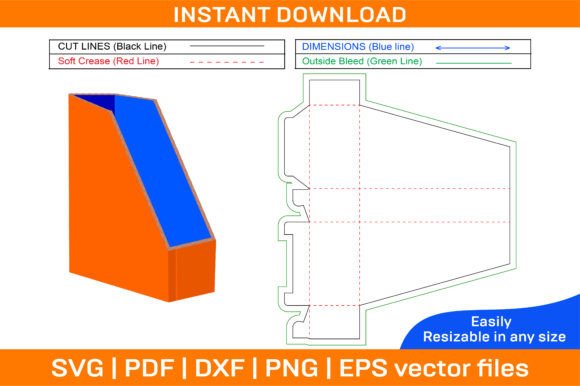
The design includes variations such as the Wholesalers Open Top Bin Box die line template and 3D vector representations. These elements are not merely decorative; they serve as structural anchors for layout design. When integrated into marketing visuals, they suggest organization, readiness, and transparency—qualities that resonate deeply with modern consumers who value ethical sourcing and clear product presentation.
Application in Packaging Design and Product Mockups
Packaging design is often the first physical touchpoint between a brand and its customer. Using the Corrugated Cardboard Stackable Bin Box as a base for mockups allows designers to present products in a context that feels authentic rather than staged. Whether you are creating assets for Etsy products, print-on-demand services, or direct-to-consumer launches, this template helps bridge the gap between digital concept and physical reality.
- Die Line Accuracy: The inclusion of precise die lines ensures that any logo design or label graphics placed on the bin align correctly with folds and seams. This attention to detail is critical for maintaining professional standards in packaging design.
- 3D Vector Versatility: The 3D vector components allow for dynamic angles in editorial design or web design. Instead of flat images, you can rotate the bin to showcase different sides, adding depth to social media graphics and website headers.
- Scalability: As a SVG design, the asset scales infinitely without losing quality. This is essential when adapting the same visual for various sizes, from large trade show banners to small Instagram posts.
Integrating Into Broader Creative Design Projects
Beyond packaging, this asset demonstrates remarkable flexibility across multiple creative disciplines. Its neutral yet textured appearance makes it a supportive element that enhances other design features without overpowering them.
Social Media and Digital Ads
In the crowded space of social media graphics, organic textures stand out. A Corrugated Cardboard Stackable Bin Box can serve as a background layer for promotional posts, providing a warm, earthy tone that complements product photography. It works particularly well for Pinterest pins and Facebook ads targeting audiences interested in sustainable living or DIY crafts. By placing vibrant product images or bold typography over the cardboard texture, designers can create high-contrast visuals that grab attention while maintaining a cohesive aesthetic.
Printable Designs and Craft Projects
For crafters and Cricut users, this asset opens up new possibilities for printable designs. The foldable box template can be printed at home or through a local printer to create custom packaging for stickers, jewelry, or small accessories. This is especially useful for digital sellers who want to offer a complete unboxing experience. The ZIP archive containing both SVG and PDF formats ensures compatibility with various cutting machines and printing software, making it a versatile addition to any design bundle.
Brand Identity and Logo Design
While the bin itself is a complex shape, its simplicity makes it an excellent container for logo design. Designers can use the open top or side panels as frames for brand emblems. The corrugated texture adds weight and presence to logos, suggesting reliability and strength. However, care must be taken to ensure the logo remains legible against the busy texture of the cardboard.
Strategic Considerations for Professional Use
As an experienced designer, I always advise clients and colleagues to evaluate assets critically before integrating them into commercial projects. Here are key factors to consider when using the Corrugated Cardboard Stackable Bin Box.
Visual Hierarchy and Readability
The primary challenge with textured assets is maintaining visual hierarchy. The corrugated pattern can compete with text if not managed properly. To mitigate this, place text on solid-colored overlays or use drop shadows to separate typography from the background. Avoid using this asset in minimalist branding projects where clean lines and ample white space are paramount. It is better suited for rustic, vintage, or eco-themed aesthetics.
Contrast and Color Theory
Test the asset in black and white to assess its tonal range. Ensure there is sufficient contrast between the bin and any overlaid elements. On light backgrounds, the brown tones of the cardboard provide warmth, but on dark backgrounds, it may appear muddy. Always preview the design at small sizes to check for clarity, especially when used for mobile-first campaigns.
Font Pairing
The choice of typography significantly impacts the final impression. Sans serif fonts work well for a modern, clean look that contrasts with the organic texture. Serif fonts can enhance the traditional, trustworthy feel of the packaging. Script or handwritten fonts add a personal, artisanal touch, ideal for handmade businesses. Display fonts should be used sparingly to avoid clashing with the structural lines of the bin.
Technical Checklist for Designers
Before deploying this asset in a client project, perform the following checks:
- File Format Verification: Confirm that the SVG file is editable and that the PDF contains high-resolution raster elements if needed for print.
- Transparency Check: If using PNG versions, inspect the transparency edges for jagged artifacts that could ruin the realism of the mockup.
- Commercial Licensing: Review the license agreement to ensure you have the right to use the asset for client work, merchandise, and resale. Some assets restrict commercial use or require attribution.
- Mockup Testing: Place the design on real-world mockups to see how lighting and shadows interact with the texture. This step is crucial for achieving photorealistic results in product mockups.
- Print Quality: If producing physical copies, test print at the intended size to verify that the corrugation details do not become pixelated or blurry.
Conclusion: A Valuable Tool for Eco-Conscious Branding
The Corrugated Cardboard Stackable Bin Box is more than just a graphic design asset; it is a storytelling tool. It communicates values of sustainability, craftsmanship, and transparency before a customer even reads the product description. For designers working on brand identity, packaging design, or marketing visuals, this asset provides a reliable foundation for creating emotionally resonant designs.
By understanding its strengths in texture representation and its limitations in minimalism, designers can leverage this template to elevate their projects. Whether used for a small business branding campaign, an Etsy product launch, or a corporate sustainability report, the Corrugated Cardboard Stackable Bin Box offers a versatile, professional, and visually appealing solution. It empowers creators to build trust and engagement through thoughtful, texture-rich design.