Box Die Cut Box Template Review
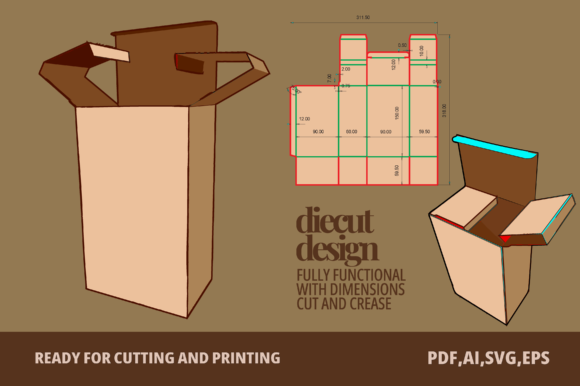
When I first opened the file for the Box Die Cut Box Template, my initial reaction was one of cautious optimism. As a designer who spends half my day troubleshooting stitch errors and the other half trying to make handmade goods look premium, I don’t just look at a design’s aesthetic; I look at its structural integrity in a hoop. This isn’t just another decorative motif; it is a functional graphic asset that bridges the gap between digital graphics and physical craft. The product description highlights that this is a cube template with a 3D preview, organized with cut lines, crease marks, and dimensions. That immediately signals utility. It suggests this file is ready for real-world application, whether you are creating packaging for your small business or designing a unique textile piece.
First Impressions: Structure Meets Aesthetic
The visual personality of the Box Die Cut Box Template is clean, geometric, and surprisingly versatile. In the world of embroidery, geometric shapes can sometimes feel rigid or cold, but this design has a warmth to it because of its implied function. It feels like a box waiting to be filled—literally and metaphorically. For an embroidery designer, the "box" shape offers a contained canvas. Unlike freeform floral patterns that require constant tension adjustments and complex digitizing, a box provides clear boundaries. This makes it easier to plan thread colors and stitch types.
I found myself thinking about how this would translate into a tangible item. The layout suggests a modern, minimalist vibe. It appeals to the current trend of "organized chaos" in home decor and craft businesses. If you are an Etsy seller looking to list boutique branding items, this design fits perfectly into the aesthetic of clean, Scandinavian-inspired handmade goods. It doesn’t scream for attention; rather, it invites the customer to imagine what might go inside. That psychological hook is powerful for sales.
Real-World Application: From Screen to Stitch
Let’s talk about where this design truly shines. I recently considered using a similar geometric structure for a custom embroidered tote bag line. The Box Die Cut Box Template could serve as the central anchor on a canvas tote. Imagine a sturdy cotton canvas bag with this box design stitched in the center, perhaps outlined in a bold satin stitch to define the edges, with the interior filled with a lighter fill stitch or left open for appliqué techniques.
This approach works exceptionally well for custom apparel and accessories. For instance, applying this to a sweatshirt embroidery project could create a striking chest logo that looks structured and professional. It moves away from the typical script fonts and cliché icons that saturate the market. Instead, it offers a graphic element that stands out on social media feeds, which is crucial for any Etsy seller or craft business owner trying to grab attention quickly.
Furthermore, the versatility extends to home goods. I envision this design on a linen pillow cover for nursery decor or as a centerpiece on a kitchen towel. The geometric nature of the box complements the organic textures of linen and cotton beautifully. When you combine the sharp lines of the embroidery with the soft weave of the fabric, you get a high-end look that justifies a higher price point. It elevates a simple handmade product into something that feels curated and intentional.
Technical Considerations and Potential Pitfalls
However, no design is without its challenges, and as an experienced reviewer, I must highlight where you need to exercise caution. The primary concern with any box-based design is the density of the stitching. If you attempt to fill the entire box with dense satin stitches, you risk puckering the fabric, especially if you are working with thinner materials like lightweight t-shirts or delicate baby clothes.
For baby embroidery, I would advise against using this design for large, solid fills. Instead, consider using it as an outline or a frame for a smaller, softer motif inside. The crisp lines might be too harsh for a newborn’s sensitive skin or the delicate fabric of a onesie. Similarly, when applying this to caps or hats, the curved surface can distort the geometry of the box. You must account for the curvature of the hat during digitizing or placement, otherwise, the box may look skewed once stitched.
Another critical area is fabric texture. On highly textured fabrics like chunky knits or bouclé, the fine details of the die-cut lines might get lost. The embroidery thread will sink into the valleys of the fabric, resulting in a muddy appearance. For best results, use this design on smooth, stable fabrics like denim, twill, or tightly woven cotton. Always test the design on scrap fabric first to check thread color contrast and ensure the stabilizer provides enough support to prevent distortion.
Strategic Usage for Commercial Success
If you are planning to sell finished products featuring the Box Die Cut Box Template, think about how it enhances brand consistency. A clean, geometric design communicates reliability and precision. Customers often associate neat, well-executed embroidery with quality craftsmanship. By using a structured design like this, you signal to your buyers that you pay attention to detail.
Consider the giftability factor. A personalized gift featuring this design, such as a monogrammed box-shaped patch on a backpack or a custom apron for a baker, feels thoughtful and modern. The "box" theme lends itself well to concepts of surprise, storage, and presentation, which are emotionally resonant themes for holidays and special occasions. For holiday embroidery projects, you could adapt the color palette to match seasonal themes while keeping the strong geometric base, ensuring the design remains recognizable yet festive.
Practical Designer Notes for Implementation
To get the most out of this embroidery file, I recommend a few practical steps before committing to your final project. First, inspect the small details. Since this is a die-cut template, there may be fine lines representing cut marks or creases. Ensure your machine can handle these fine details without breaking needles or tangling thread. If the details are too small, consider simplifying the design by removing the internal crease lines and focusing on the outer boundary.
Second, review the stitch density. If the design includes both satin and fill stitches, make sure the transition between them is smooth. Rough transitions can lead to thread breaks or unsightly bunching. Use a proper stabilizer appropriate for your fabric type; a tear-away stabilizer might work for woven fabrics, but a cut-away stabilizer is safer for stretchy fabrics or garments that will undergo frequent washing.
Finally, test the design in black and white mockups. This helps you visualize the balance of light and dark areas without being distracted by color choices. It also ensures that the design holds up visually even if you decide to use a single-color thread scheme later. Confirm whether the design works for both personal and commercial projects, and double-check licensing terms if you plan to sell the finished items or include the digital assets in a larger package.
Final Verdict
The Box Die Cut Box Template is more than just a graphic; it is a strategic tool for designers who want to add structure and modern flair to their embroidery projects. It excels in applications where clarity and professionalism are key, such as boutique branding, corporate gifts, and high-end home decor. While it requires careful consideration of fabric choice and stitch density, the payoff is a polished, contemporary look that resonates with today’s consumers. For any creative entrepreneur looking to expand their portfolio with versatile, high-quality designs, this template is a valuable addition to your design assets.