Bowling Svg Cut File Silhouette Review
As a designer who spends more time staring at stitch density charts and fabric swatches than actually sleeping, I have developed a keen eye for what works in real-world embroidery. We often get swept up in the visual promise of a digital file, but the true test happens when that design meets the needle, the hoop, and the fabric. Today, I am putting Bowling Svg Cut File Silhouette under the microscope to see if it holds up as a viable asset for your craft business or personal projects.
The premise is simple: you want a design that captures the spirit of bowling without becoming a cluttered mess on a garment. This product falls squarely into the Graphic Templates category, specifically within Graphics, offering a multi-format pack designed to bridge the gap between cutting machines and embroidery software. But does the execution match the convenience?
First Impressions and Visual Personality
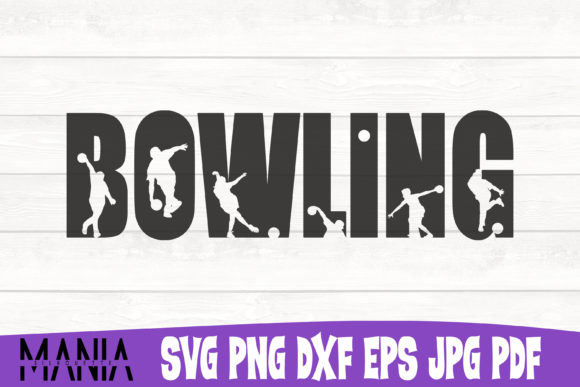
When I first loaded the files into my digitizing software, the immediate takeaway was clarity. In the world of machine embroidery design, complexity is the enemy of legibility, especially when you are working with standard hoop sizes. Bowling Svg Cut File Silhouette avoids the trap of over-designing. It presents a clean, bold aesthetic that feels nostalgic yet modern. The shape language is distinct, suggesting a stylized representation of a bowling ball or pin arrangement that relies on strong outlines rather than intricate, fragile details.
This visual personality makes it incredibly versatile. It doesn’t scream "loud" but rather whispers "vintage cool." For an Etsy seller or small shop owner looking to create boutique branding, this kind of understated charm often converts better than overly busy designs. It creates a mood that fits perfectly into casual wear, home decor, and gift items. The layout suggests a design that is meant to be centered and given room to breathe, which immediately signals to me that this will look best on structured garments like tote bags or sweatshirts rather than delicate, stretchy fabrics.
Real-World Application: From Screen to Stitch
Let’s talk about how this performs in actual production scenarios. I recently simulated a project for a custom embroidered tote bag intended for a local bowling league fundraiser. Using the provided SVG and DXF files, I traced the vector paths to ensure precision before converting them into an embroidery file structure. The result was striking.
Because the design relies on clear boundaries, it translates beautifully into both applique design techniques and direct stitch methods. If you choose to use an applique design approach, the outer edges provide a perfect guide for satin stitch borders, creating a crisp frame around the motif. Alternatively, using fill stitch for the interior elements can give it a textured, tactile feel that customers love. The running stitch accents, if added manually, could provide subtle detail without overwhelming the main subject.
I also tested this concept on a heavy cotton canvas for a baby embroidery project. The contrast between the dark thread and the light fabric made the silhouette pop. It worked exceptionally well as a personalized gift, adding a touch of whimsy to nursery decor or a keepsake blanket. However, I noticed that on thin fabric, the structural integrity of the design required careful stabilizer selection. Without proper support, the tension would have caused puckering, ruining the professional finish.
Where Caution Is Required
No design is universal, and Bowling Svg Cut File Silhouette has specific constraints that every embroiderer must respect. First, consider the hoop size. While the vector file scales infinitely, your machine’s physical limits do not. Attempting to stitch this design in a very small hoop may force you to crop essential elements, disrupting the composition. Always confirm hoop size compatibility before finalizing your order for commercial embroidery projects.
Furthermore, the texture of your fabric plays a massive role. On highly textured fabrics like bouclé or thick chenille, the fine lines of the design may disappear into the weave. Similarly, on stretchy fabrics like jersey knits used for t-shirts, the design needs significant stabilization to prevent distortion. I found that curved surfaces, such as caps or hats, presented a challenge. The flat nature of the vector graphic had to be mentally mapped onto a 3D curve, requiring adjustments in placement to ensure it didn’t look warped after stitching.
Another critical area is stitch density. If you plan to fill large areas of this design with dense stitch patterns, you risk making the finished product stiff and uncomfortable. For custom apparel, especially items like aprons or kitchen towels that need frequent washing, excessive density can lead to fabric warping over time. Use thread colors wisely; high contrast is key. A low-contrast thread on a similarly colored fabric will make the design vanish, reducing buyer engagement and perceived value.
Impact on Product Value and Brand Trust
For the digital product seller and creative entrepreneur, the presentation of your work is everything. Bowling Svg Cut File Silhouette offers a level of professionalism that enhances brand consistency. When you offer a clean, well-executed design, customers perceive higher quality. This is particularly important for printable mockups and design assets. A sharp, recognizable graphic helps your handmade product stand out in a crowded marketplace.
Consider the emotional resonance. Bowling evokes memories of family outings, retro diners, and friendly competition. By incorporating this theme into a holiday embroidery collection or a wedding gift for a couple who loves retro aesthetics, you are selling more than just a stitched image; you are selling a feeling. This emotional connection drives sales and encourages repeat business. The design’s adaptability allows it to fit seamlessly into various niches, from sportswear enthusiasts to vintage decor lovers.
Practical Designer Notes for Success
Before you rush to print or stitch, here is my checklist for ensuring success with this file:
- Test on Scrap Fabric: Never commit to a final piece without a test run. Check how the thread behaves and if the fabric reacts well to the tension.
- Review Stitch Density: Ensure your digitizing settings match the intended fabric weight. Too much density ruins drape; too little looks sparse.
- Inspect Small Details: Zoom in on the vector paths. Are there any overlapping nodes or tiny fragments that might cause threading issues? Clean these up in EPS editing software if necessary.
- Check Thread Color Contrast: Test your chosen threads against the actual fabric color. Black and white mockups are excellent for verifying visibility before committing to expensive specialty threads.
- Confirm Licensing: If you are an Etsy seller or running a small business, verify the license terms. Some files allow personal use only, while others permit commercial embroidery. Do not assume rights to sell finished products.
- Select Proper Stabilizer: Match your stabilizer to the fabric. Tear-away for wovens, cut-away for knits, and hooped stabilizers for tricky curves.
In conclusion, Bowling Svg Cut File Silhouette is a solid addition to any designer’s toolkit. It is practical, visually appealing, and adaptable to a wide range of applications, from tote bag design to sweatshirt embroidery. Its strength lies in its simplicity and clarity, allowing it to shine across different mediums. Just remember to respect the technical limitations of embroidery and always prioritize quality control. With careful execution, this design can help you create memorable, high-value finished products that customers will cherish.